Rocket file · LV-21
Delta IV Heavy
Delta IV Heavy is an expendable launch vehicle built by United Launch Alliance. It stands 72.0 m tall, lifts 28,370 kg to low Earth orbit, first flew on 21 December 2004. It has flown 16 times with 15 successes, a success rate of 93.8%. It has nothing on the Launch Library 2 schedule right now.
Specification
Vehicle spec sheet
As listed by Launch Library 2. The cost is Launch Library’s figure, not a quoted price. Figures for rockets outside the sixty most-flown were last read on 2026-11-05.
Flight record
Reliability
About Delta IV Heavy
The Delta IV Heavy (Delta 9250H) is an expendable heavy-lift launch vehicle, the largest type of the Delta IV family, and is the world's second highest-capacity rocket in operation. It is manufactured by United Launch Alliance and was first launched in 2004.
Upcoming flights
Manifest
Delta IV Heavy is retired, and no flight is filed.
All upcoming launchesDelta IV Heavy in the archive
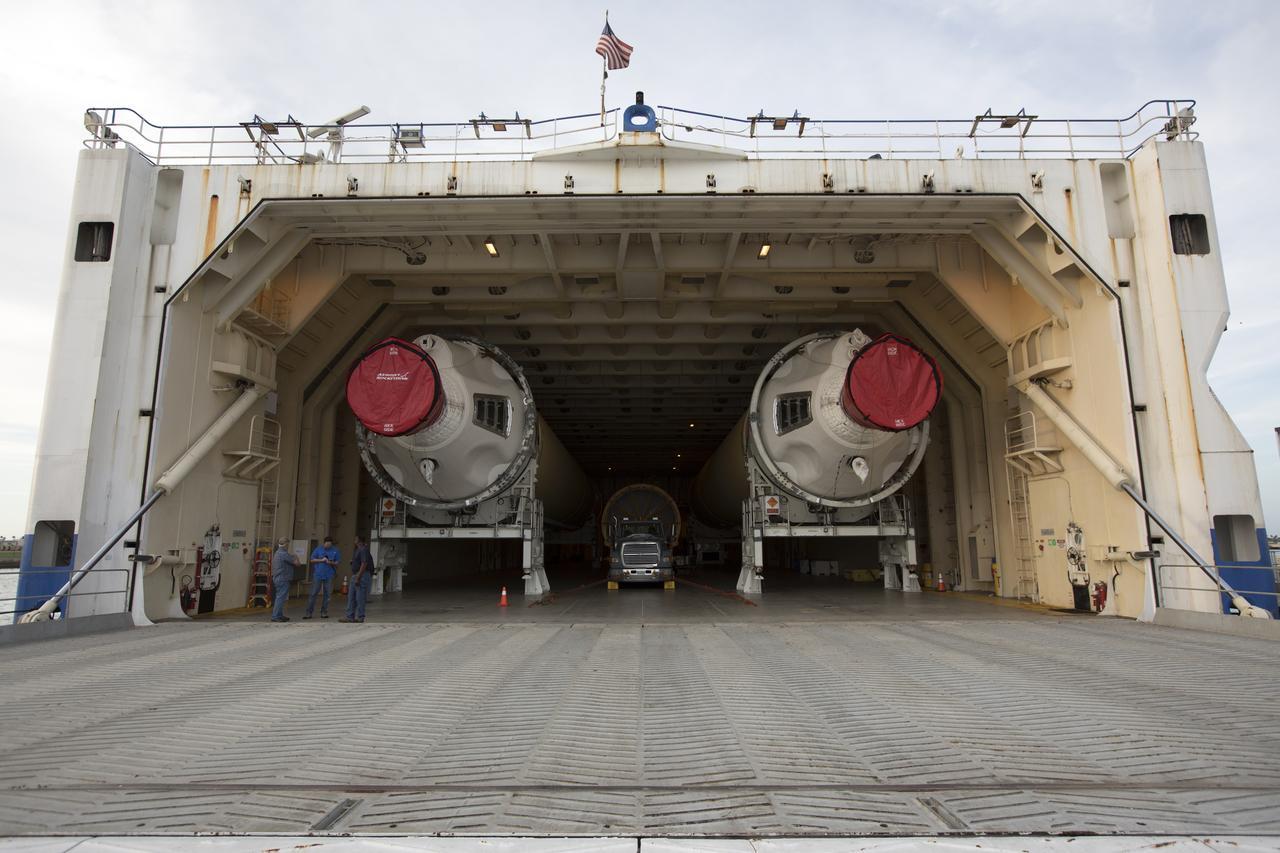
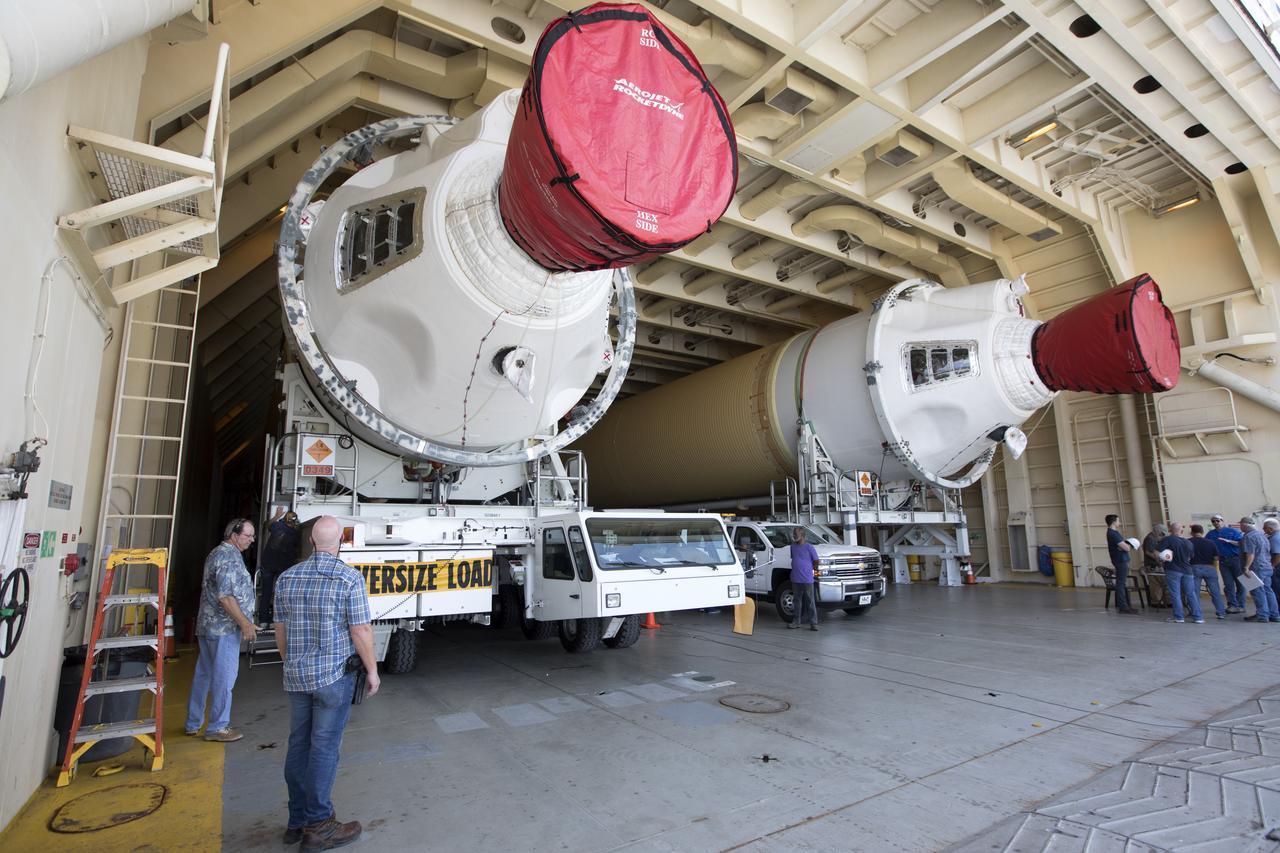
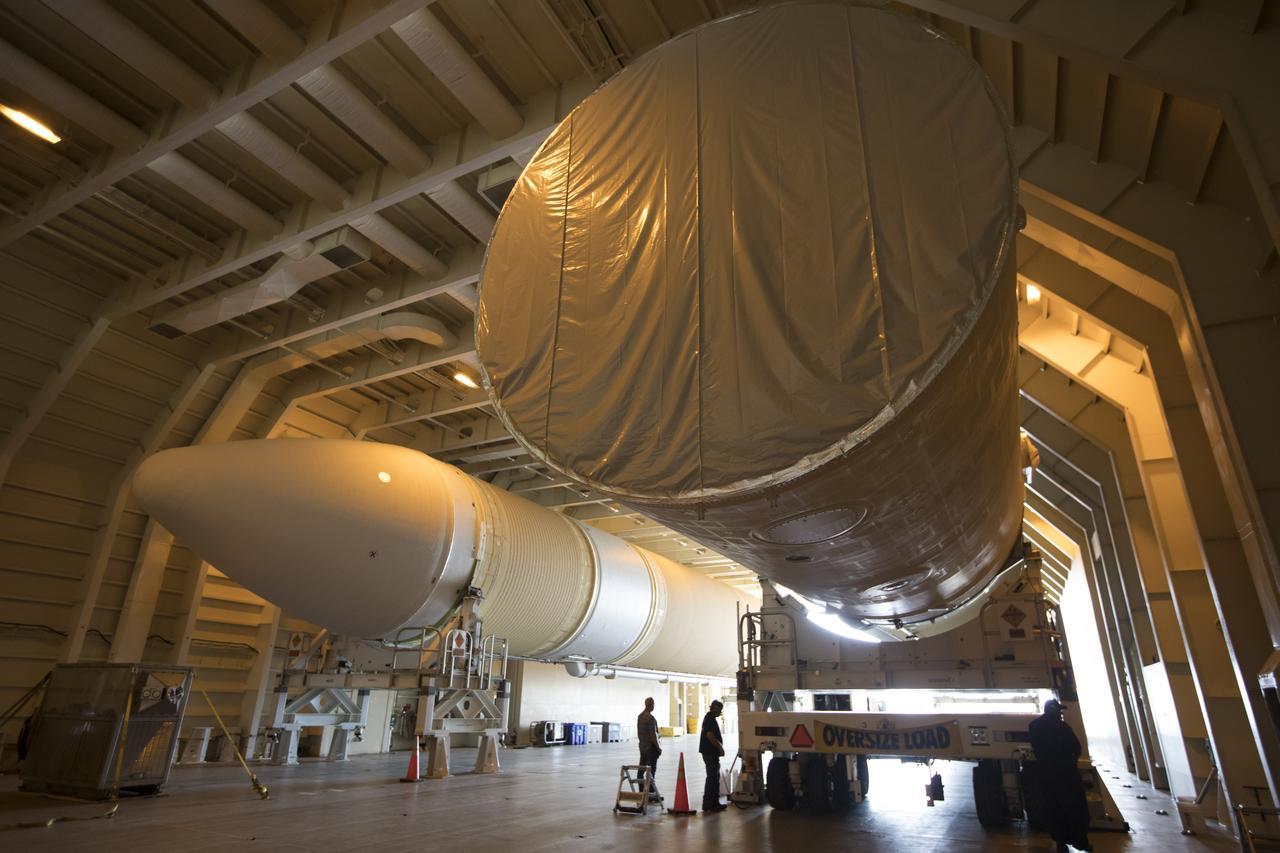
From NASA's public image library and Wikimedia Commons. Each photo shows the credit its licence asks for and links back to where it came from.
Orbitburn is a gravity lander game with 25 ships. It's free on Android, and you can play it in your browser.Get it free on Google Play
Common questions
- How many times has Delta IV Heavy flown?
- 16 times, with 15 successes and 1 failures.
- What is Delta IV Heavy's success rate?
- 93.8%. That's 15 successful flights out of 16 attempts.
- How much can Delta IV Heavy lift to orbit?
- Launch Library 2 lists Delta IV Heavy at 28,370 kg to low Earth orbit and 14,210 kg to geostationary transfer orbit.
- Is Delta IV Heavy reusable?
- No. Launch Library 2 lists Delta IV Heavy as expendable, so no stage is recovered to fly again.