Korea Aerospace Research Institute is a government launch operator based in South Korea, founded in 1989. It has flown 9 launches under its own name. 6 succeeded and 3 failed, a success rate of 66.7%. Its next launch is Nuri | NeonSat-7 to 11, from LC-2, set for 2027.
SourceLAUNCH LIBRARY 2
Window reaches2039-12-31 00:00:00Z
Page generated2026-11-11 11:11:07Z
Flight record
Launch statistics
OPS-11/STAT
ON RECORD
Total launches9
Successful6
Failed3
Success rate66.7%
Consecutive successes4
Scheduled2
AdministratorLee Sang-Ryool
Founded1989
These are launches under KARI’s own name in The Space Devs’ Launch Library. They don’t count missions or payloads. A spacecraft that flew on someone else’s rocket counts for the operator that flew it.
Operator or customer
An operator owns the rocket and runs the count, and the launch schedule filters by operator. A customer pays for the mission, supplies the payload and buys the ride. Some organisations are both. Below, KARI is counted in whichever role the current schedule gives it.
Manifest role
OPS-11/ROLE
LIVE COUNT
Flying as operator2
Named as customer0
Window reaches2039-12-31 00:00:00Z
Scheduled (register total)2
No scheduled flight names KARI with someone else flying it.
How we count it: a scheduled launch counts as a customer flight when this organisation’s name or abbreviation is in the launch name, mission name or programme, and someone else is flying it. We don’t search mission descriptions, and we only see the schedule as far as it goes, which is 2039-12-31 00:00:00Z. So treat both counts as a minimum.
About KARI
The Korea Aerospace Research Institute (KARI) established in 1989, is the aeronautics and space agency of Republic of Korea. Its main laboratories are located in Daejeon, in the Daedeok Science Town.
The label on each flight says how exact its launch time is. If the date is only known to the month, you’ll see the month and no countdown. A weather go-probability only shows when Launch Library has one for that flight. EveryLaunch doesn’t work it out.
KARI in the archive
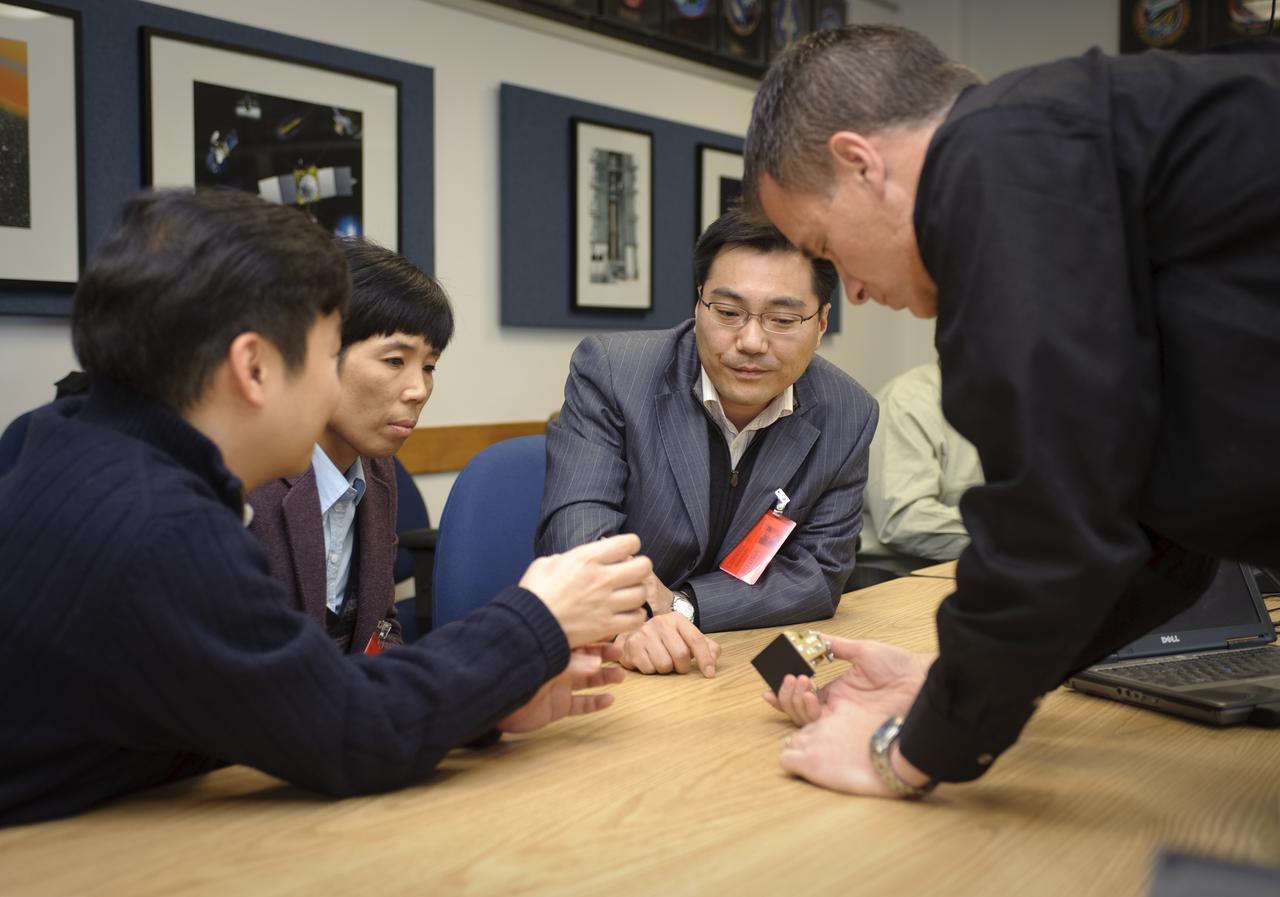
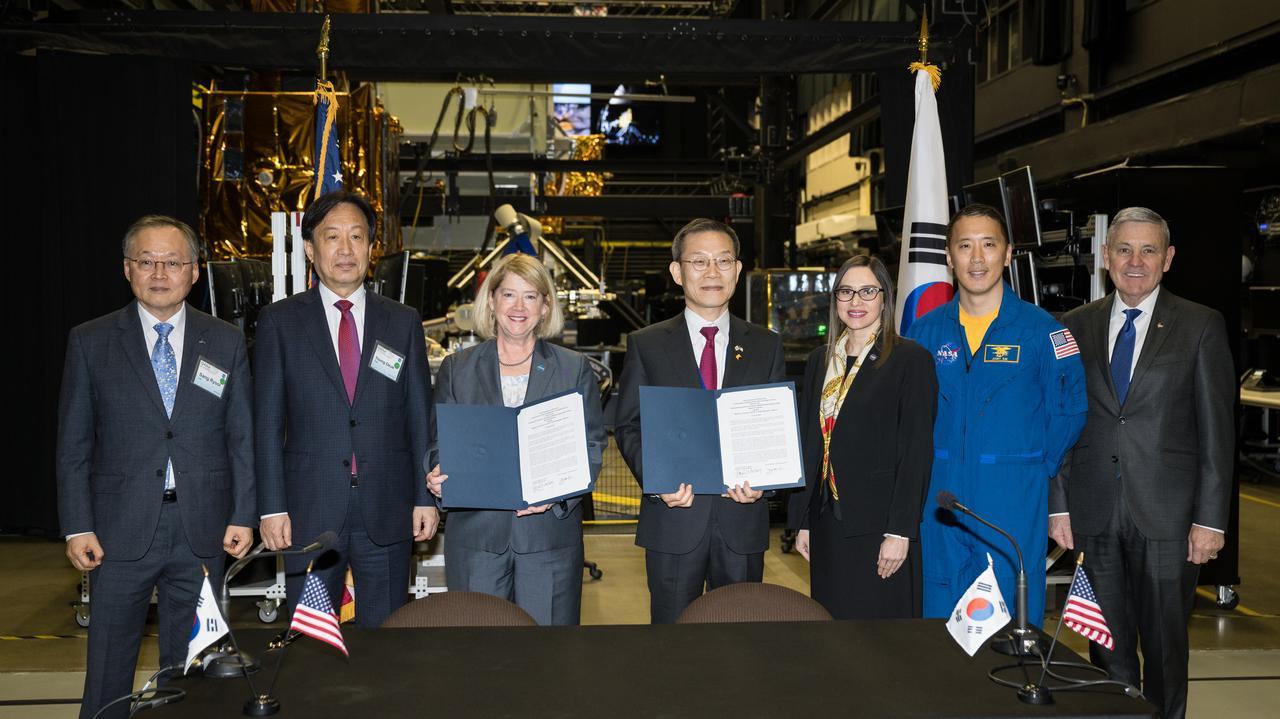
From NASA's public image library and Wikimedia Commons. Each photo shows the credit its licence asks for and links back to where it came from.
ARC-2009-ACD09-0261-013·NASA / ARC · public domain·NASA ↗
NASA and MSIT Joint Statement Signing·NASA / HQ · public domain·NASA ↗
ARC-2009-ACD09-0261-014·NASA / ARC · public domain·NASA ↗
Orbitburn is a gravity lander game. It's free on Android, and you can play it in your browser.Get it free on Google Play
Common questions
How many launches has Korea Aerospace Research Institute flown?
Korea Aerospace Research Institute has flown 9 launches under its own name. 6 succeeded and 3 failed. That counts launches it flew itself, not missions or payloads it contributed to.
What is Korea Aerospace Research Institute's success rate?
66.7%. That's 6 successful flights out of 9 attempts. Its last 4 launches in a row have succeeded.
When is Korea Aerospace Research Institute's next launch?
Nuri | NeonSat-7 to 11, set for 2027 from LC-2. Launch Library files only the year, so the date is a placeholder. Launch times are no-earlier-than targets and can move.
Does Korea Aerospace Research Institute fly its own rockets, or buy launches from another operator?
Korea Aerospace Research Institute has flown 9 launches under its own name. It's the operator on 2 scheduled flights. An operator owns the rocket and runs the count. A customer pays for the mission, supplies the payload and buys the ride. The operator filter on the launch schedule only lists operators, so a well-known agency can own a mission and still not show up there.
Where is Korea Aerospace Research Institute based?
South Korea. Launch Library lists it as a government operator, founded in 1989.